The Writers’ Guild of Alberta is excited to be a part of a vibrant literary community. Today we are sharing some of the new and forthcoming titles in Indigenous writing across Canada in 2026. While many titles overlap in genre and form, we encourage you to explore the wide range of work from our Indigenous writing community.
Remember that you can purchase, order, and request books from your local independent book stores or publishers, but you can also request books from your local library. Authors in Canada are supported by the Public Lending Rights program, which means requesting and borrowing a book supports their work as well.
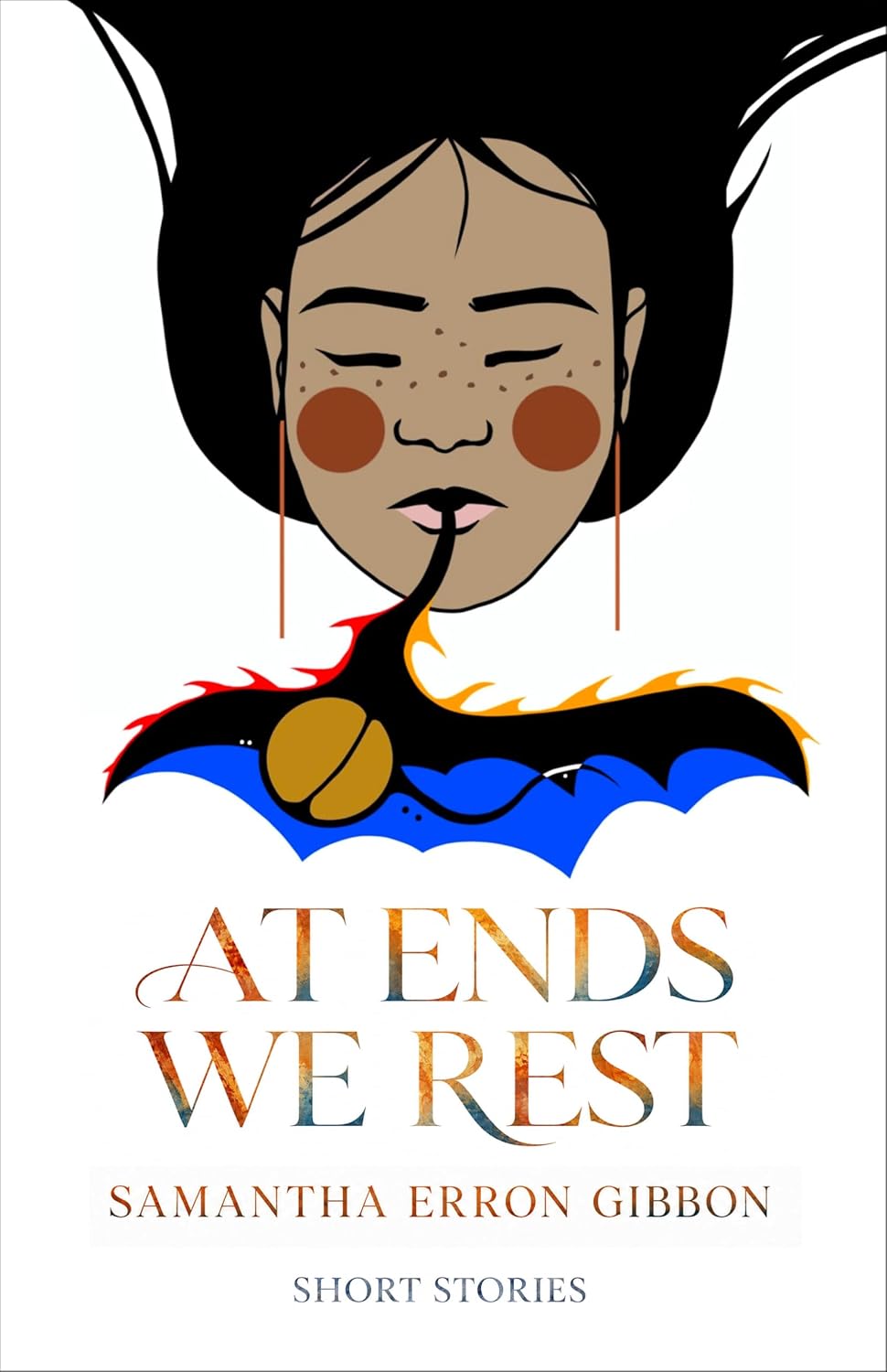
Samantha Gibbon
Short Stories
A literary Indigenous Young Adult collection with crossover appeal for adult readers, At Ends We Rest brings together five powerful short stories about Indigenous youth searching for home, safety, and belonging amid the intergenerational impacts of residential schools, colonization, displacement, and family fracture. An otipemisiwak (Métis) ekwa nehiyaw physician, mother, and educator, Samantha Erron Gibbon draws from her own life as an intergenerational residential school survivor, as well as from her years working with urban Indigenous youth in Edmonton.
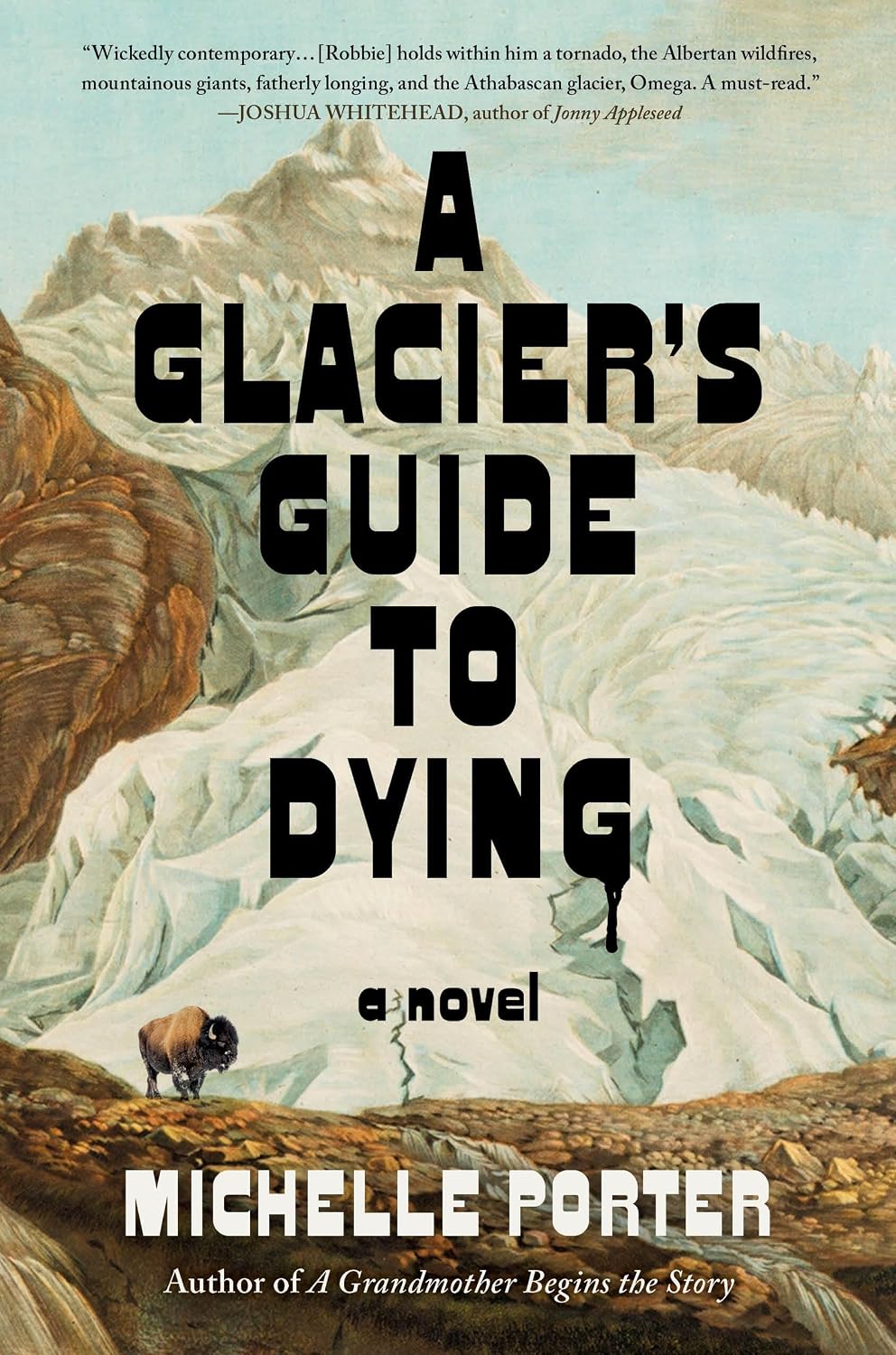
Michelle Porter
Novel
Robbie is torn: between trying to “rescue” his stubborn Métis mother—determined to stick with her abusive second husband and her home in the path of ravenous wildfires in Canada—and the quest to find his father, a white man often absent due to mental health challenges but now long missing in the mountains south of the border.
Michelle Porter brings her distinctively musical, energetic, witty, sometimes bawdy style to a powerful contemporary story of identity and belonging, loss and healing, within families and with the immortal land itself.
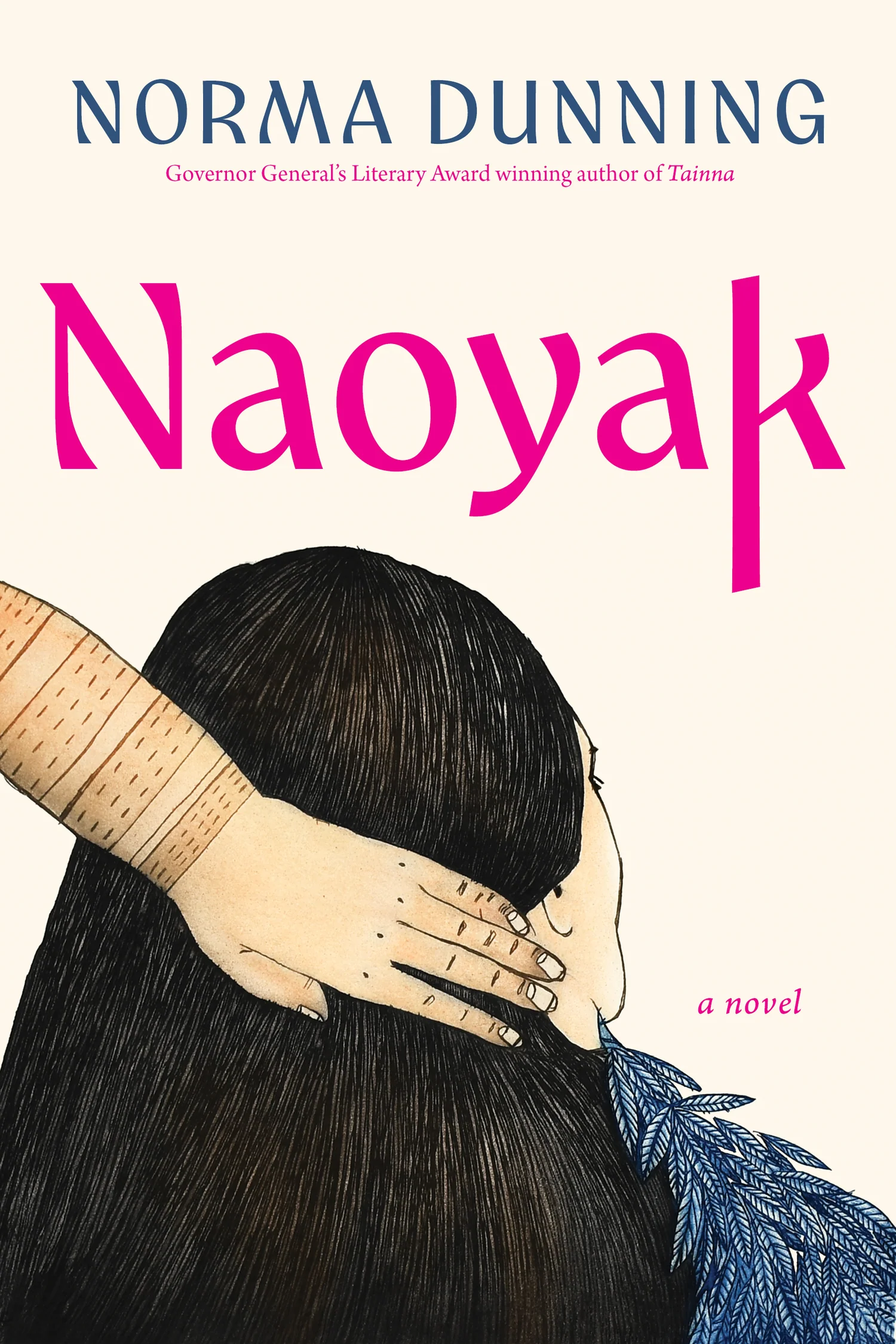
Norma Dunning
Novel
Naoyak Aupak promised herself she would leave Iqaluit for “The Easy Life” in Canada’s south before she turned twenty-five. Her exit plan sends her and her young son Andy on a chaotic journey with a painfully clueless southern researcher named Drew. As Nao wedges herself and Andy into the bougie comforts of Drew’s home in Sherwood Park, Alberta, she must reckon with a world of class assumptions, casual racism and paternalism. But Naoyak is not containable. She is a trickster, a champion of her people and an irresistible agent of change. Bold, brave and relentlessly resourceful, she refuses to shrink herself to fit anyone else’s expectations—southern, institutional or otherwise.
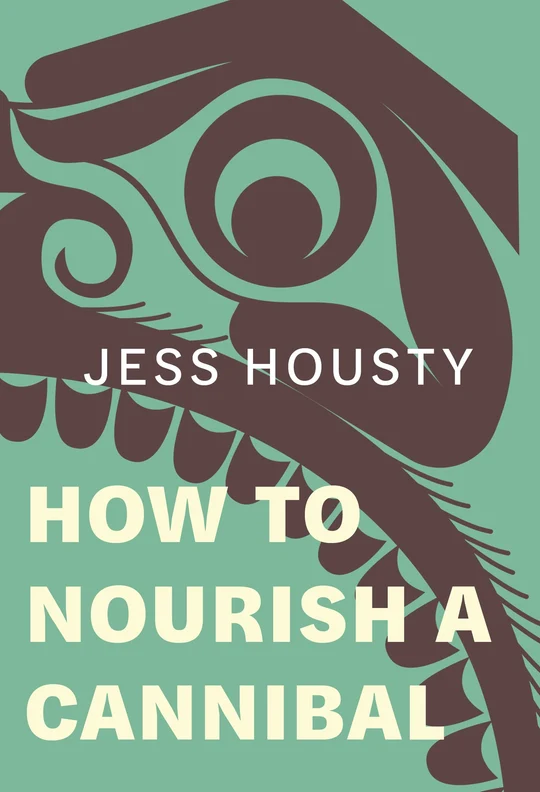
Jess Housty
Poetry
Following their critically acclaimed debut Crushed Wild Mint, Jess Housty offers a new collection capturing connections between kinship, ancestral knowledge and spirituality. Drawing on Heiltsuk supernatural beings like Báxvbakvalan̓usiwa (the Great Cannibal at the North End of the World), these poems encircle the idea of the cannibal, a complex figure who is at times dangerous but also a generous conduit for spiritual gifts. They tap into the poet’s own wildness, love and tenderness—and explore the sweet, agonizing anticipation of shared feasts, both from the land and of the body.
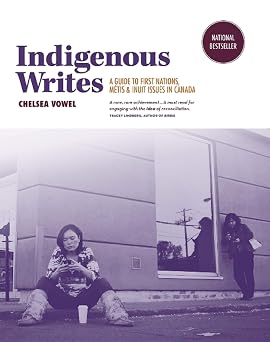
Chelsea Vowel
Essays
A decade after sparking national dialogue, Chelsea Vowel returns to deepen, challenge, and expand the conversation she began in Indigenous Writes. Delgamuukw. Sixties Scoop. Bill C-31. Blood quantum. Appropriation. Two-Spirit. Tsilhqot’in. Status. TRC. RCAP. FNPOA. Pass and permit. Numbered Treaties. Terra nullius. The Indian Act. The Great Peace.
Are you familiar with these terms? With thousands of copies sold each year, Indigenous Writes has reached countless readers and become a widely taught, widely read resource for understanding Indigenous realities in Canada. In 31 insightful essays, Chelsea explores Indigenous experiences from the time of contact to the present, through five categories: Terminology of Relationships; Culture and Identity; Myth-Busting; State Violence; and Land, Learning, Law, and Treaties.
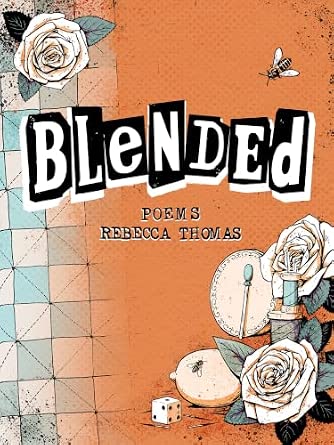
Rebecca Thomas
Poetry
The intimate follow-up collection to the critically acclaimed I place you into the fire from Mi’kmaw spoken-word poet, Governor General’s nominee, and former poet laureate of Kjipuktuk (Halifax).
Celebrated spoken-word artist Rebecca Thomas’s second poetry collection, a follow up to the critically acclaimed I place you into the fire, explores the author’s various blended identities—as a Mi’kmaw woman, daughter, sister, auntie, wife, student, mentor, activist, poet, friend—as well as her blended family. From complex relationships with parents, navigating illness, memory, and residential school trauma, to rediscovering and rebuilding sibling bonds, to loves both platonic and romantic, Thomas gets right to the beating heart of it all.
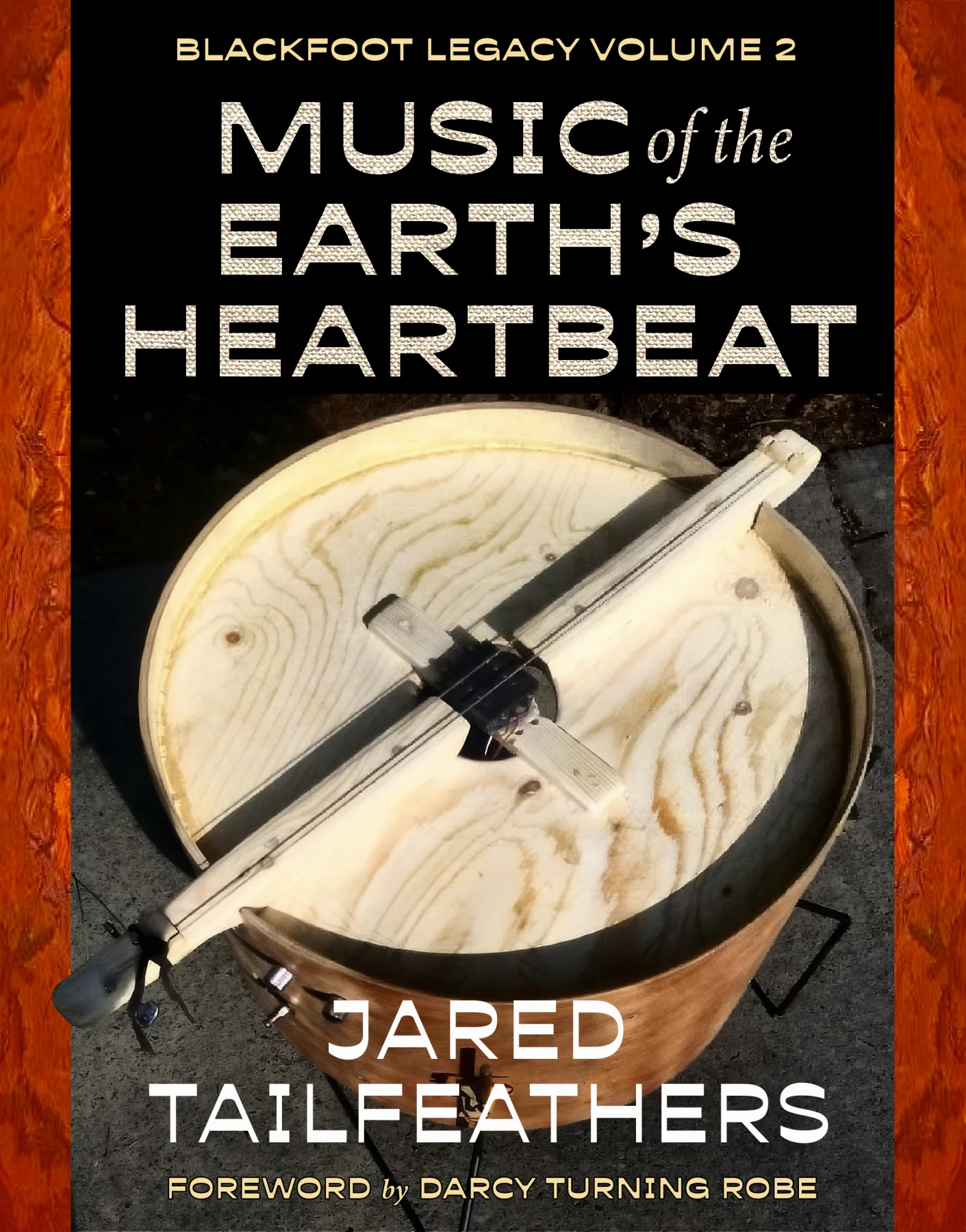
Jared Tailfeathers
Nonfiction
In Music of the Earth’s Heartbeat: Blackfoot Legacy Vol. 2, Jared Tailfeathers continues his cultural journey by expanding on the themes of history, language, legacy connections, music, and art into BC and Saskatchen as well as Alberta. Building on the foundation of The Art of Making: Rediscovering the Blackfoot Legacy, this second volume offers deep insights into Blackfoot heritage and cultural reclamation, and provides intricate details of Blackfoot connections. The book delves further into the significance of music and storytelling as integral aspects of the Blackfoot legacy, incorporating stories based on oral traditions and offering general readership and students an understanding of Indigenous creativity. Volume 1 of this series, The Art of Making was awarded the Regional Book of the Year at the 2025 Alberta Book Publishers Awards.
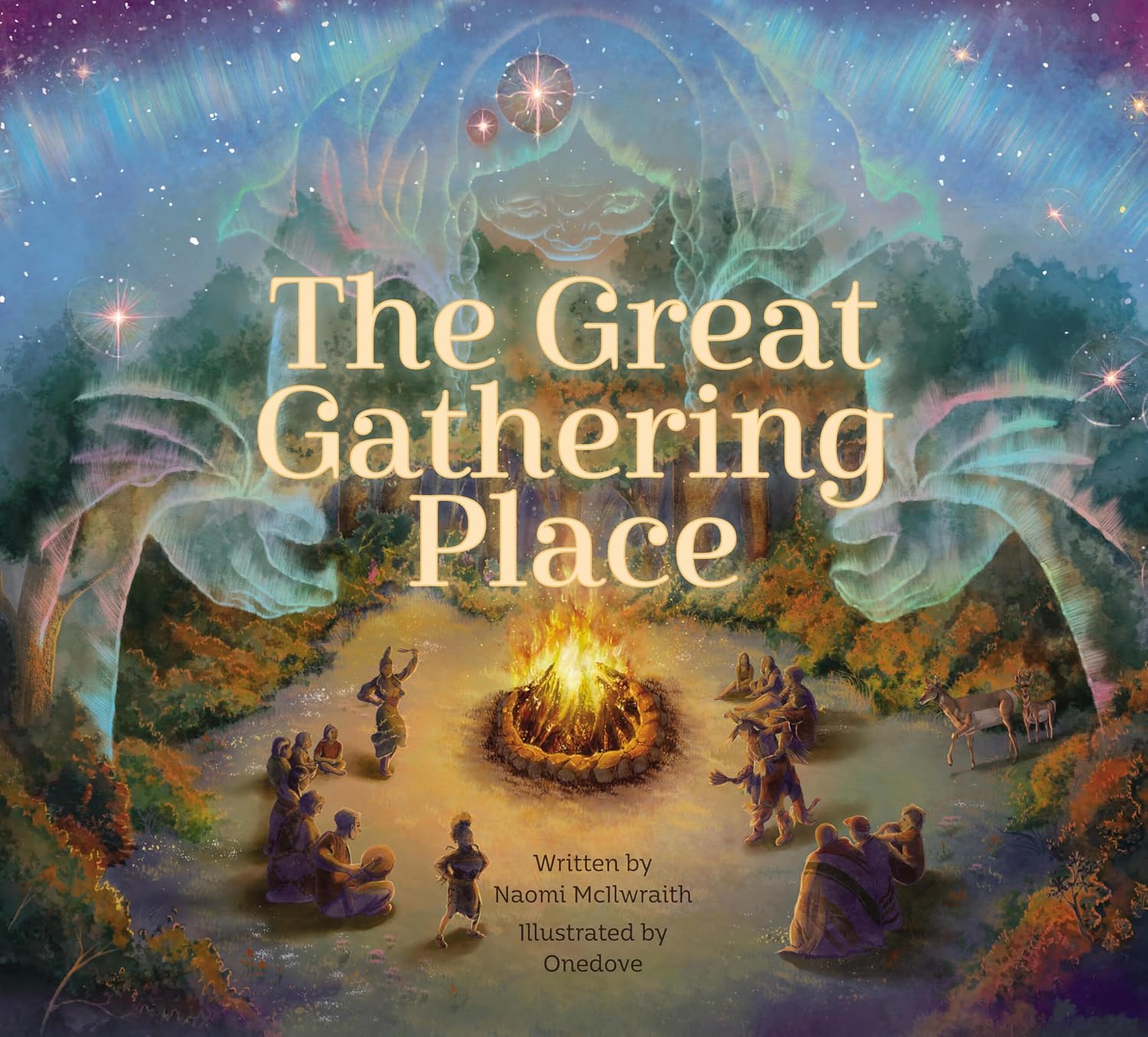
Naomi McIlwraith
Illustrated by Onedove
Poetry & Children’s Literature
This stirring and lyrical story by Métis author Naomi McIlwraith, based on her poem of the same name, is a moving tribute to Indigenous values and the meeting places that are special to each of us. Luminous illustrations by Cree and Métis artist Onedove evoke a sense of the sacred with each colorful spread. This is a beautiful picture book that honors the importance of gratitude, generosity, kindness and love for both nature and people, and could serve as a gentle discussion starter on these topics. It’s also a reminder that the places where we gather are special and deserve our protection. It provides an excellent introduction to Indigenous concepts and teachings. Cree words and phrases are featured in the text and are supported by a glossary and pronunciation guide.
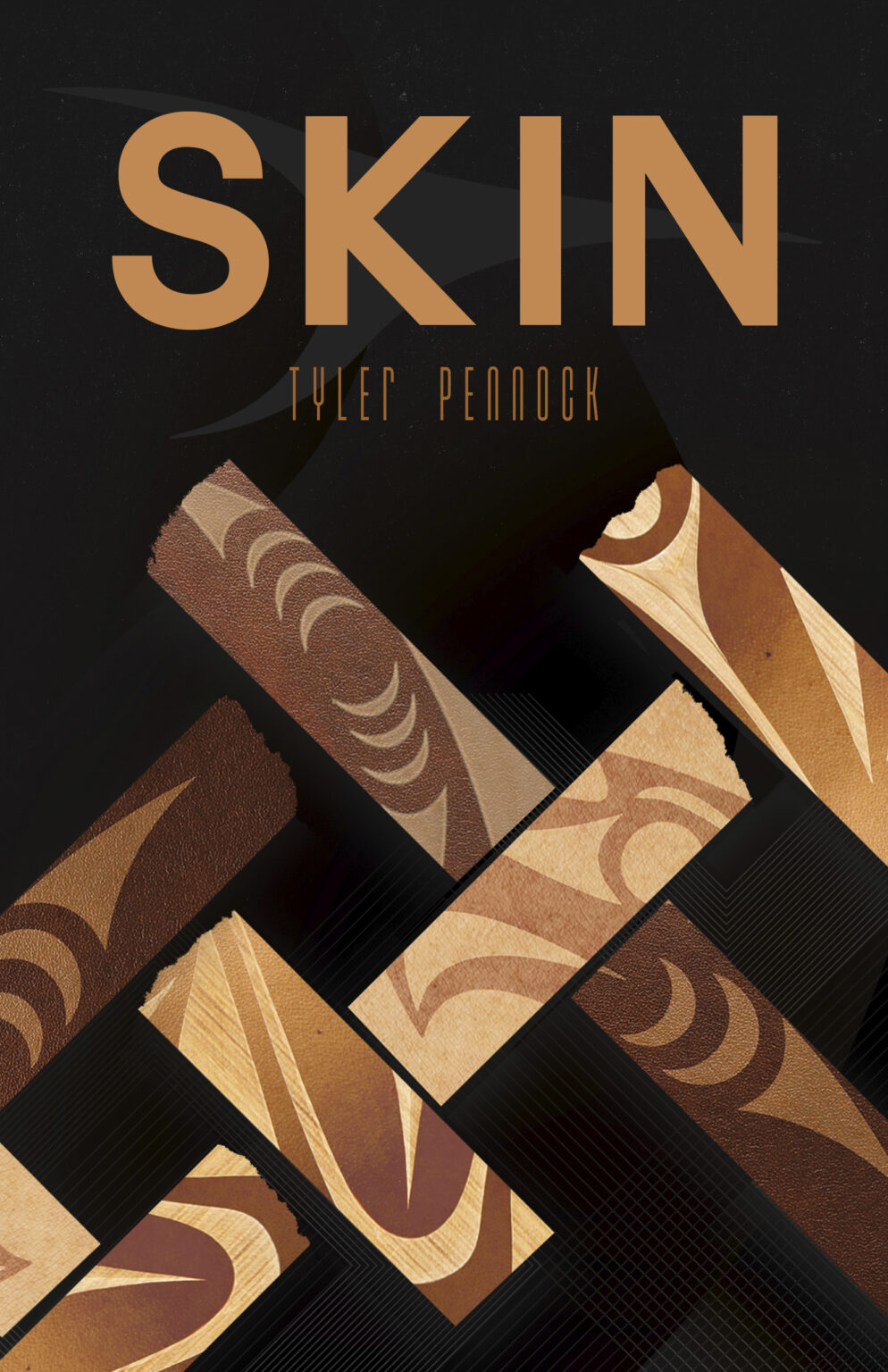
Tyler Pennock
Poetry
Skin is a haunting, genre-blurring collection rooted in Treaty 8 territory, where memory, place, and loss intertwine. When a Two-Spirit Indigenous person returns home, they begin to understand the world through their relationships to others. Meditating on the difficulty of belonging, especially when shaped by both colonial and communal wounds, Pennock lets spectral inheritances speak.
Through lyrical, found, and experimental forms, Pennock excavates what―and who―is remembered, grieved, and built upon in the violent memoryscapes of the prairies. Here, haunting is methodology: ghosts are kin, time loops, and memory scratches at the walls. For readers of Billy-Ray Belcourt and Jeanette Armstrong, Skin conjures. It listens. It offers poetry as a kind of skin―porous, protective, remembering―for those still finding their way home.
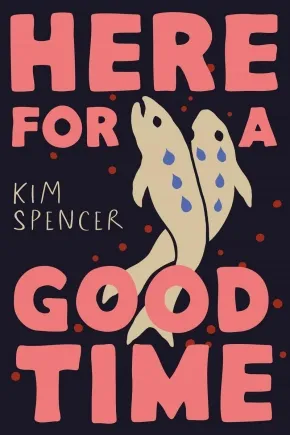
Kim Spencer
Novel
It is 1990. Morgan has lived all her life in the small fishing town of Prince Rupert in northern British Columbia. Ever since her mom took off when she was ten, Morgan has kept an eye on her dad, a commercial fisherman who works hard and occasionally parties even harder. After struggling to keep up and find a place at a public high school, Morgan’s best friend Skye convinces her to attend an alternate school.
There, she meets Nate. Both cute and intelligent, Nate introduces her to a wider worldview, including music, movies and books, and becomes a lifeline after an unimaginable tragedy strikes. In the aftermath, Morgan learns hard truths about her mother’s painful past and the resulting intergenerational effects of that trauma, and as she struggles to come to terms with her new reality, an unexpected development offers a chance of a fresh start, with love and forgiveness at its core.
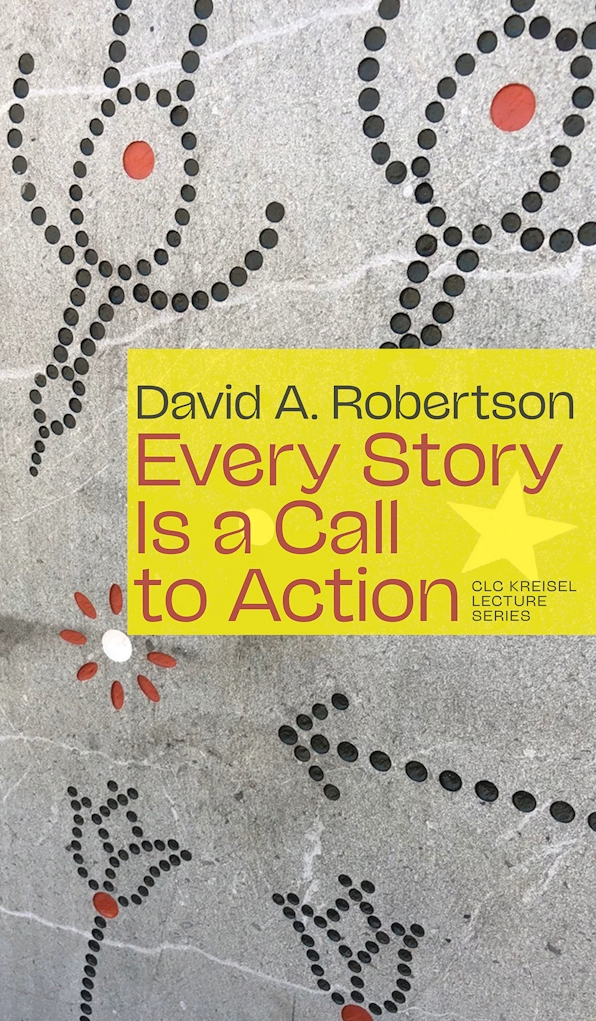
David A. Robertson
Essay
In Every Story Is a Call to Action, David A. Robertson explores the role of Indigenous stories in stitching together a new understanding of Canada and nurturing a collective experience that helps create lasting social change. He emphasizes the vital and ongoing role of young people in the generational work of reconciliation. A full-time writer who travels across the country to speak in classrooms, conferences, prisons, and festivals, Robertson demonstrates how writing is activism. He shows that stories are catalysts for community-building and youth empowerment. These narratives spark crucial conversations, create vital space for understanding, and inspire taking action for a better future. Robertson’s words not only show readers a transformative path, they encourage everyone to walk it together.
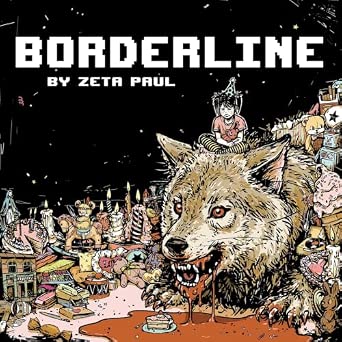
Zeta Paul
Memoir & Graphic Novel
In her highly anticipated first book Mi’kmaq artist Zeta Paul tells her story as an Indigenous urban youth, her perspective of the world transitioning into a digital era, straying from nature and into a gray monochromatic capitalist society that is constantly reinforcing the ideology that ‘life could be better’.
The title ‘Borderline’ refers to both a diagnoses of Borderline Personality Disorder but is also a reflection on a home life that has no stability, no control, no voice, and how growing up in borderline circumstances has affected her life and how it continues into adulthood.
Brandi Bird
Poetry
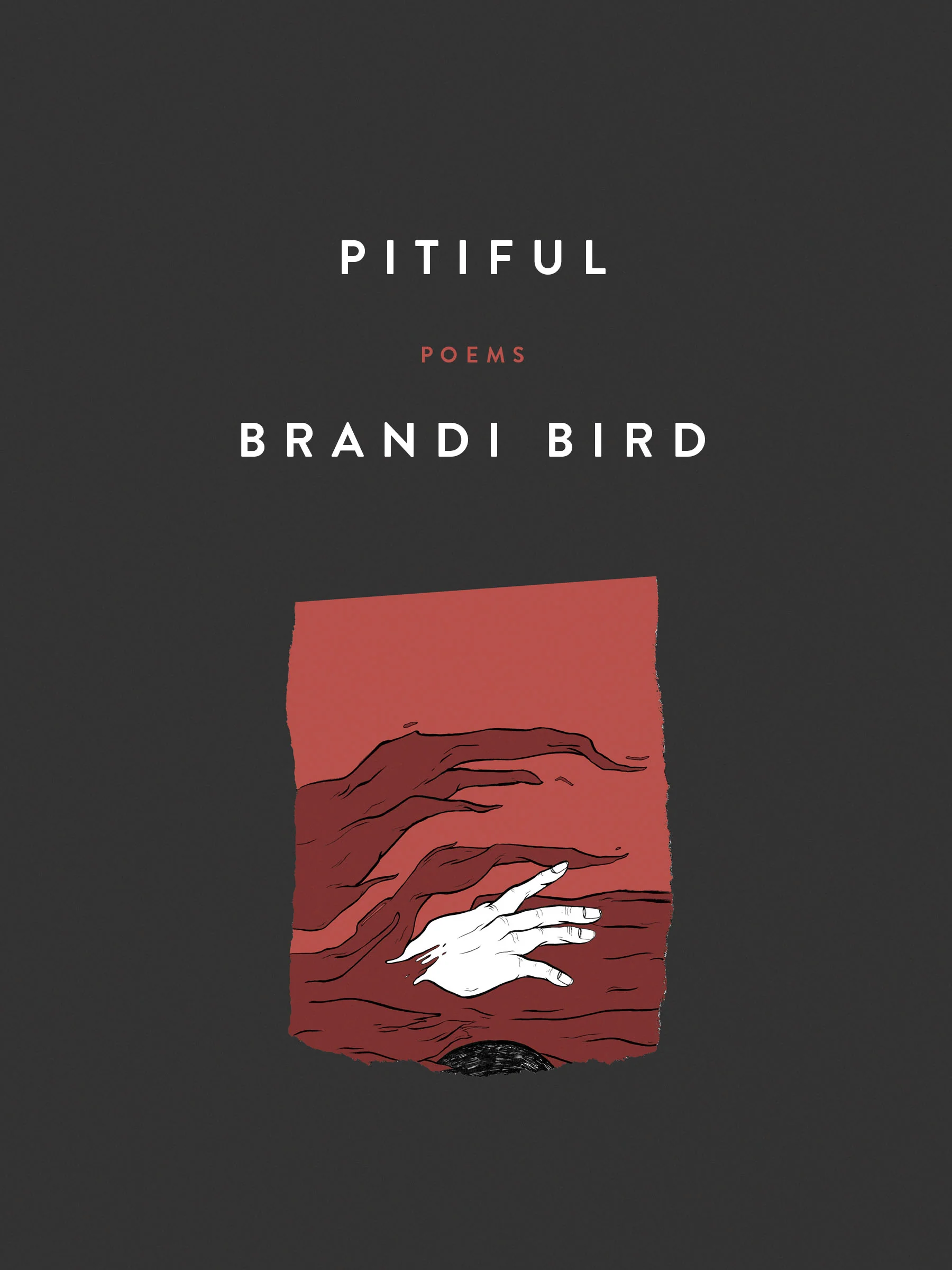
Part self-interrogation, part confession, part hospital diary, the intense, heartbreakingly frank poems in Brandi Bird’s second collection detail the author’s ongoing struggles with eating disorders and depression, conditions that disproportionately afflict Indigenous girls, women, and two-spirited persons. These challenging poems investigate the relationship between sexuality and eating disorders as well as how the voyeurism of religion (the idea of being eternally watched) intersects with both of those spheres. They also raise questions about body shaming and body sovereignty—a failed sovereignty in this case, as “sovereignty” itself is a communal concept. In the tradition of poets like Amy Berkowitz (Tender Points) and Hannah Green (Xanax Cowboy), the poems in Pitiful also lay bare the way patriarchy, medical sexism, and bigotry have not only sabotaged the treatment of such conditions but often make them worse.
Avis Blackbird
Poetry
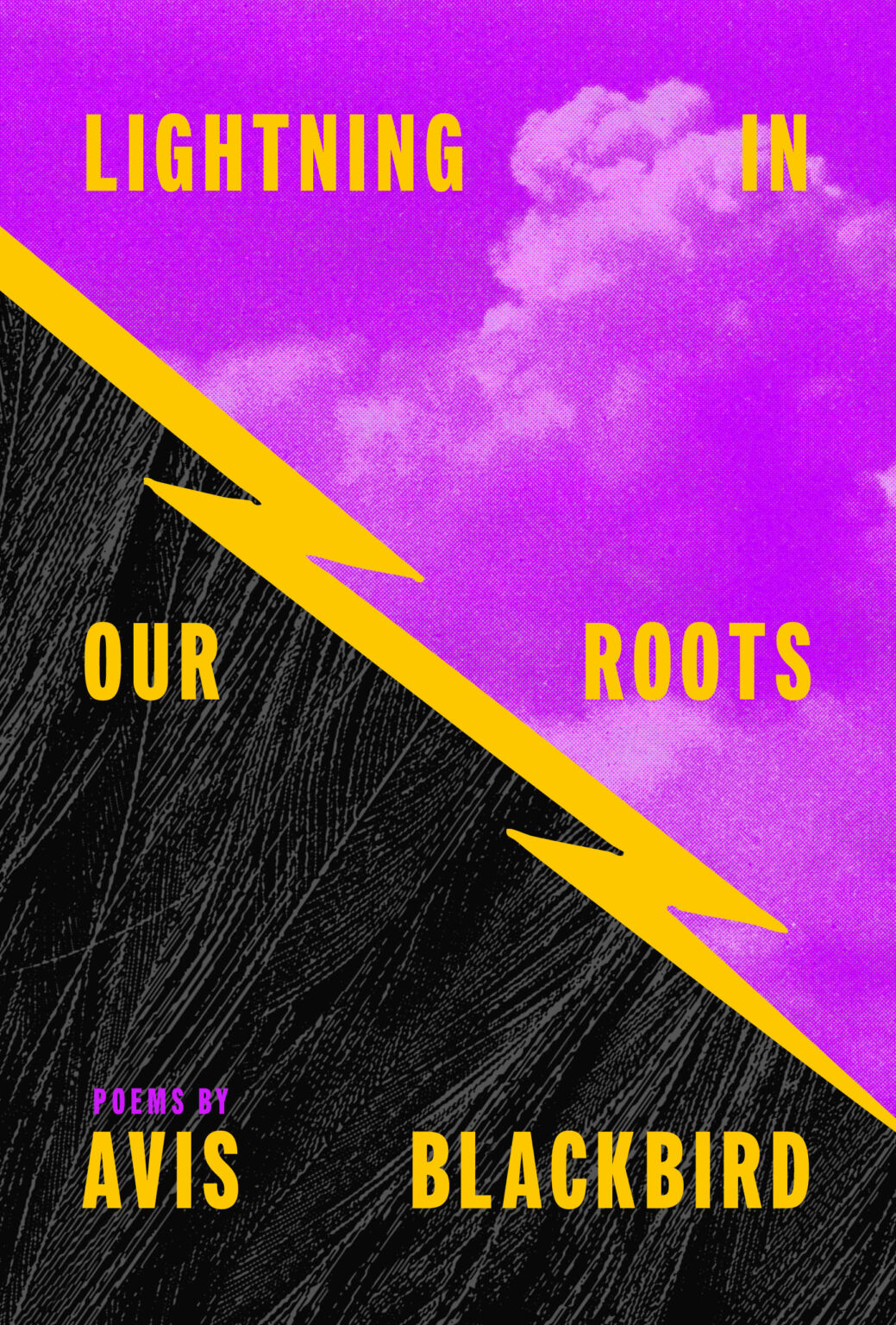
In Lightning in Our Roots, Avis Blackbird invites the reader on a journey to feel Indigenous fluidity of space and time, the impact of colonization, enduring connections to the land, lived urbanized experience, and finally the rising hope of Indigenous communities and cultures to thrive. Inspired by Tommy Pico and Kae Tempest, these short lyric poems draw from Blackbird’s personal experiences of her youth in the city, removed from Indigenous traditions, to her adulthood, where she and her family healed their connection to their cultural pride.
The underlying sentiment of strength and love defies the injustices inflicted upon communities for generations. Her poetry is wholehearted as she soars in the company of birds and reconnects to her ancestral Salish heritage. As she imagines a rightful place for youth waiting in the wings, the ancestors dance with her.
Jesse Wente
with Meg Masters
Poetry
In Tough Lies, Jesse returns to the familiar format and style of Unreconciled, focusing this time on his own healing path and how it informs what he sees as necessary for reconciliation between Nations. Introspective, moving, and characteristically candid, Wente uses his own life experiences to illuminate and explore the controversial issue of false claims to Indigenous identity.
Through a lens of healing and anti-colonial thought, Jesse examines his reaction to such incidents that have hit close to home, chronicling his personal journey and what it has taught him about the present and future of reconciliation in Canada. Jesse’s healing path has also led him to reflect on other aspects of his life, such as grieving the loss of his closest friends, the pressure to succeed, the racism he has faced, and his own place within family and community. Perhaps most surprising to Jesse is his re-discovery of the game of golf and the role it plays.
Tundra Books
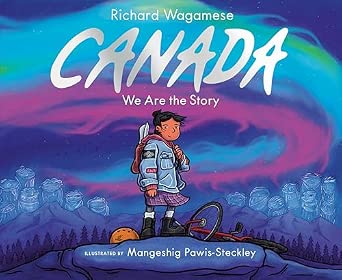
Richard Wagamese
Poetry & Children’s Literature
An Indigenous child struggles with a school assignment that asks, “What makes you proud to be Canadian?” To find the answer, they call on the strength of their ancestors. The ancestors’ warm presence reminds them that we are in this together and we always have been — “every soul that has fallen head over heels in love with the spell of this country.”
A poem by acclaimed Ojibway author Richard Wagamese is reimagined as a stunning picture book in the skilled hands of Anishinaabe artist Mangeshig Pawis-Steckley. Thoughtful, healing and hopeful, Canada is a testament to the transformative power of enduring identity and belonging.
Monique Gray Smith
Nonfiction & Short Stories
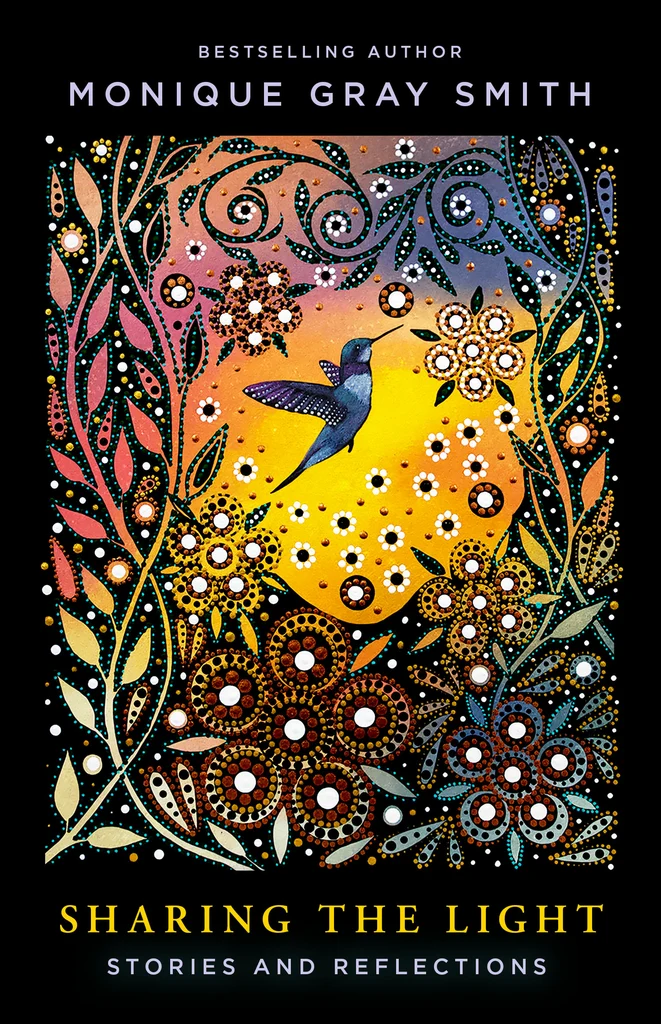
Through the lens of five transformative practices—gratitude, love, joy, happiness, and hope—bestselling author Monique Gray Smith weaves together short stories, poignant reflections, and thoughtful questions that invite readers to pause and reconnect with their inner light. And as an Indigenous author, Monique brings her cultural wisdom and unique perspective to each offering.
This beautiful and welcoming book can be read cover to cover or used as a daily source of guidance, providing gentle wisdom that inspires and empowers. Sharing the Light is a powerful reminder that when we embrace our light and share it with the world, that energy not only transforms us, but ripples out to uplift everyone around us.
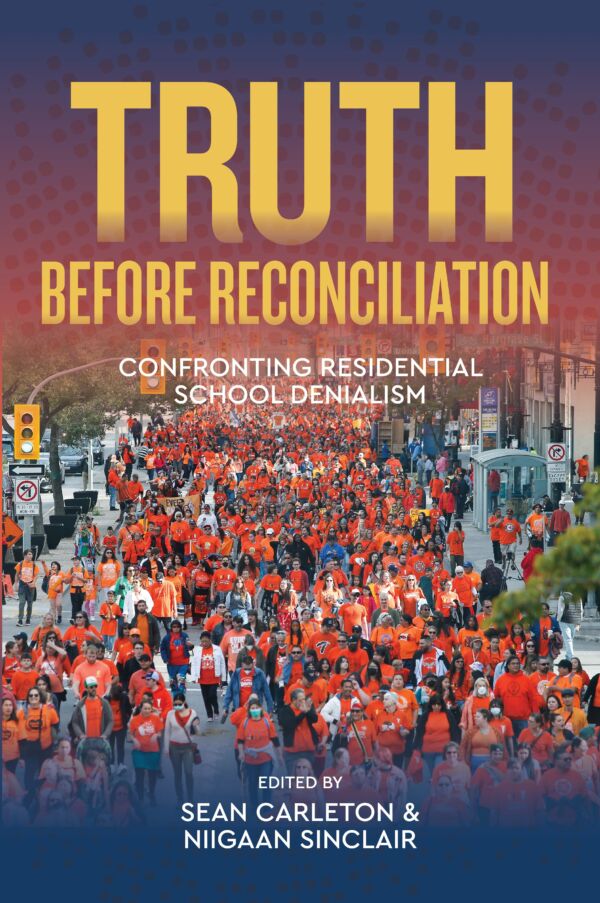
Sean Carleton & Niigaanwewidam James Sinclair
Nonfiction
Despite six volumes evincing the genocide, some Canadians choose to deny, downplay, and disparage these findings in a battle for public memory waged in popular media and across social media platforms.
Countering soundbites with substance, Sean Carleton and Niigaan Sinclair, along with a team of expert historians, educators, Survivors, archivists, and archeologists, analyze the genesis, methods, and consequences of denialism; push back on denialist claims; and highlight some of the primary sources and peer-reviewed scholarship that denialists ignore or misrepresent. Importantly, they also document the harms denialists have inflicted on Survivors and communities.
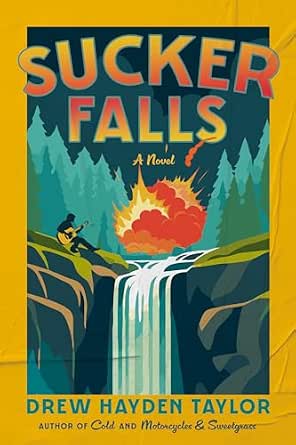
Drew Hayden Taylor
Fiction
Ladybug LaFlesche is a hurricane of a woman—a powerfully persuasive con artist plowing through people, places, and even her two sons, Donnie and Reeper, if necessary. On the run with police hot on their trail, Ladybug and her boys set their sights on Sucker Falls, the community where she was born and raised, and where she swore she’d never return.
Now, Sucker Falls represents a place of rebirth and refuge. Chasing grandeur, Ladybug sets out to build the greatest casino in the land, but things quickly get out of hand leaving her family and her home in piles of debt and in search of a miracle. When the miracle arrives in the form of three strangers with deep pockets, Ladybug and her boys must ask themselves how far they’ll go to protect everything they have worked for.
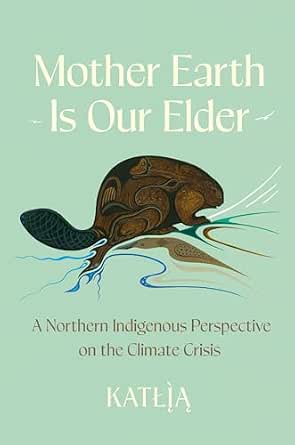
Catherine (Katłı̨̀ą) Lafferty
Nonfiction
The Dene in Canada’s Northwest Territories have lived alongside nature for many generations. From battling environmental racism on the front lines of historical environmental protests to living a balanced life through effective individual and collective governance, the Dene have long protected Mother Earth from destruction through their intricate knowledge systems, natural laws, and age-old principles.
Now more than ever, institutions and citizens alike are seeking out and relying on the resilience of Indigenous knowledge systems to help solve the climate crisis. This book brings together a diverse group of Dene Elders and knowledge carriers on the subject of climate change to answer the calls for help. Adhering proudly to these responsibilities and values, Katłı̨̀ą writes a Dene manifesto fit to address the state of emergency we’re in.
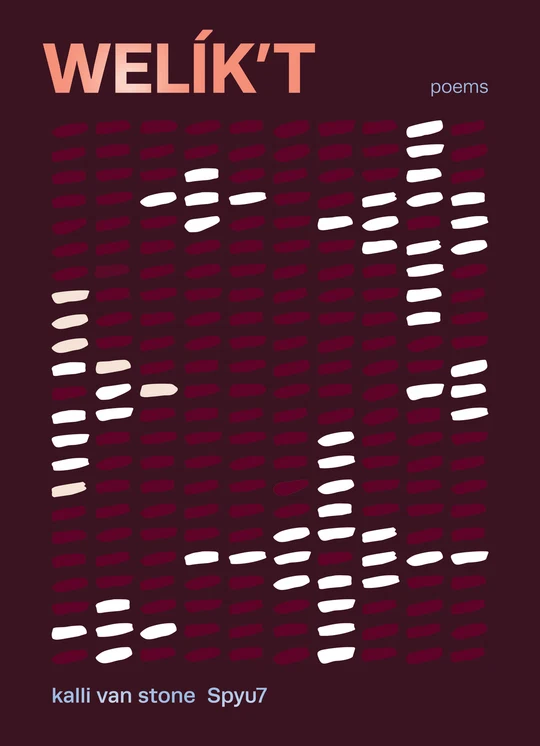
Kalli Van Stone
Poetry
Interdisciplinary artist Kalli Van Stone embraces syilx and Secwépemc language in these sparse yet potent poems. welík’t—which means “sparkle” in the Secwepemctsín language—captures the story, song and dance which help heal the ongoing intergenerational impacts of colonialism and the residential school, day school and current education systems.
The structure of Interior Salish music and its healing powers are alive in many of Van Stone’s poems. The collection itself is framed in three sections for each language—nsyilxcn, Secwepemctsín and English—and translations accompany each piece.
With the poet’s artwork interspersed throughout the pages, welík’t is a rich celebration of creativity and coalescence.
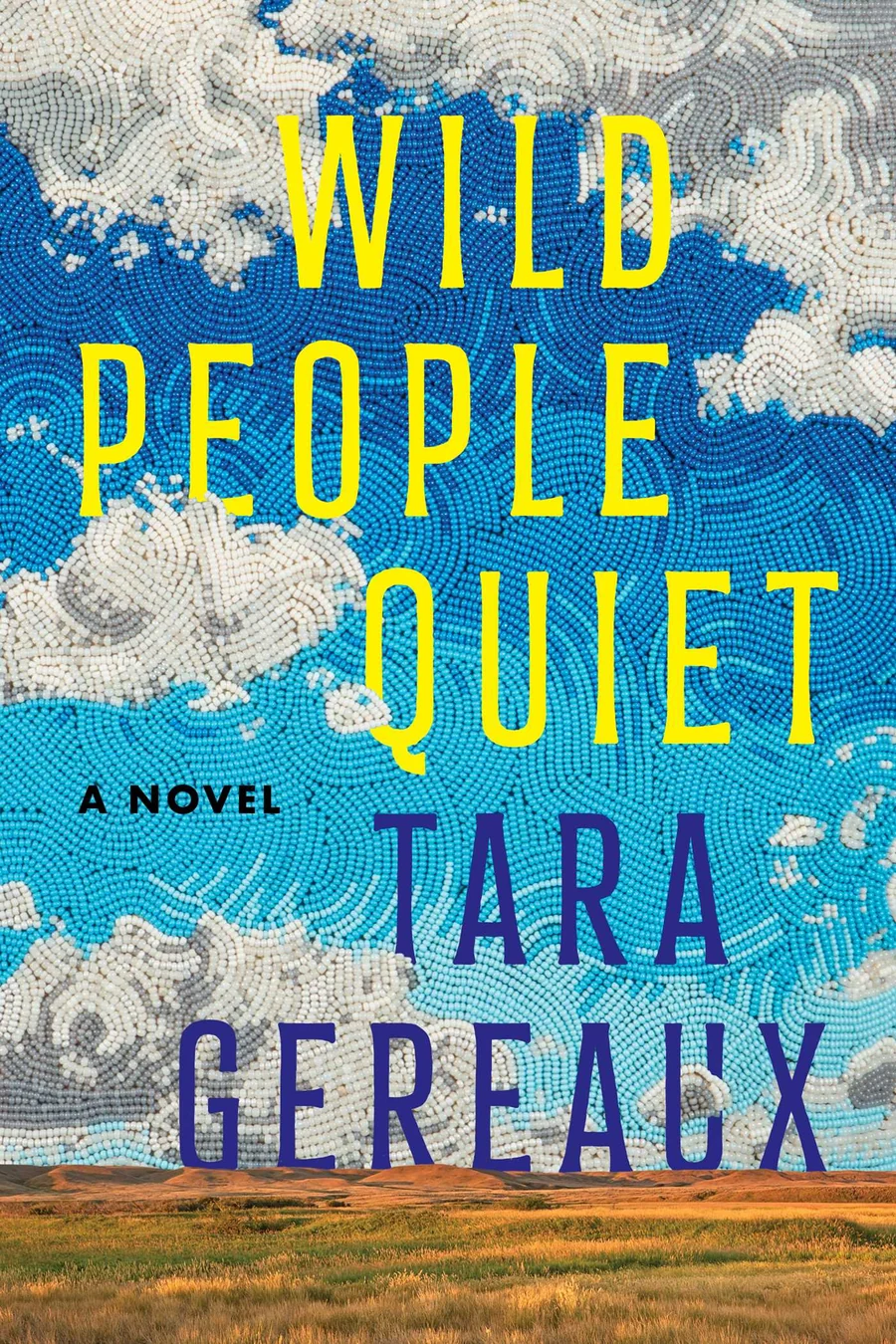
Tara Gereaux
Novel
Torduvalle, Saskatchewan, 1946.
Florence has created a beautiful life for herself. Her home is immaculate; she is a model employee at Pratt’s Insurance, where she works as a secretary. Her hair is the perfect shade of movie-star blonde—never once does she allow her brown roots to show. She dyes them every other Saturday night, without fail.
But one morning, everything changes.
Florence notices a new group of men at the local diner, Métis workers from out of town, hired on for the season at a nearby farm. And one of them has a connection to the past that Florence has spent her entire life outrunning. He has one simple request for her.
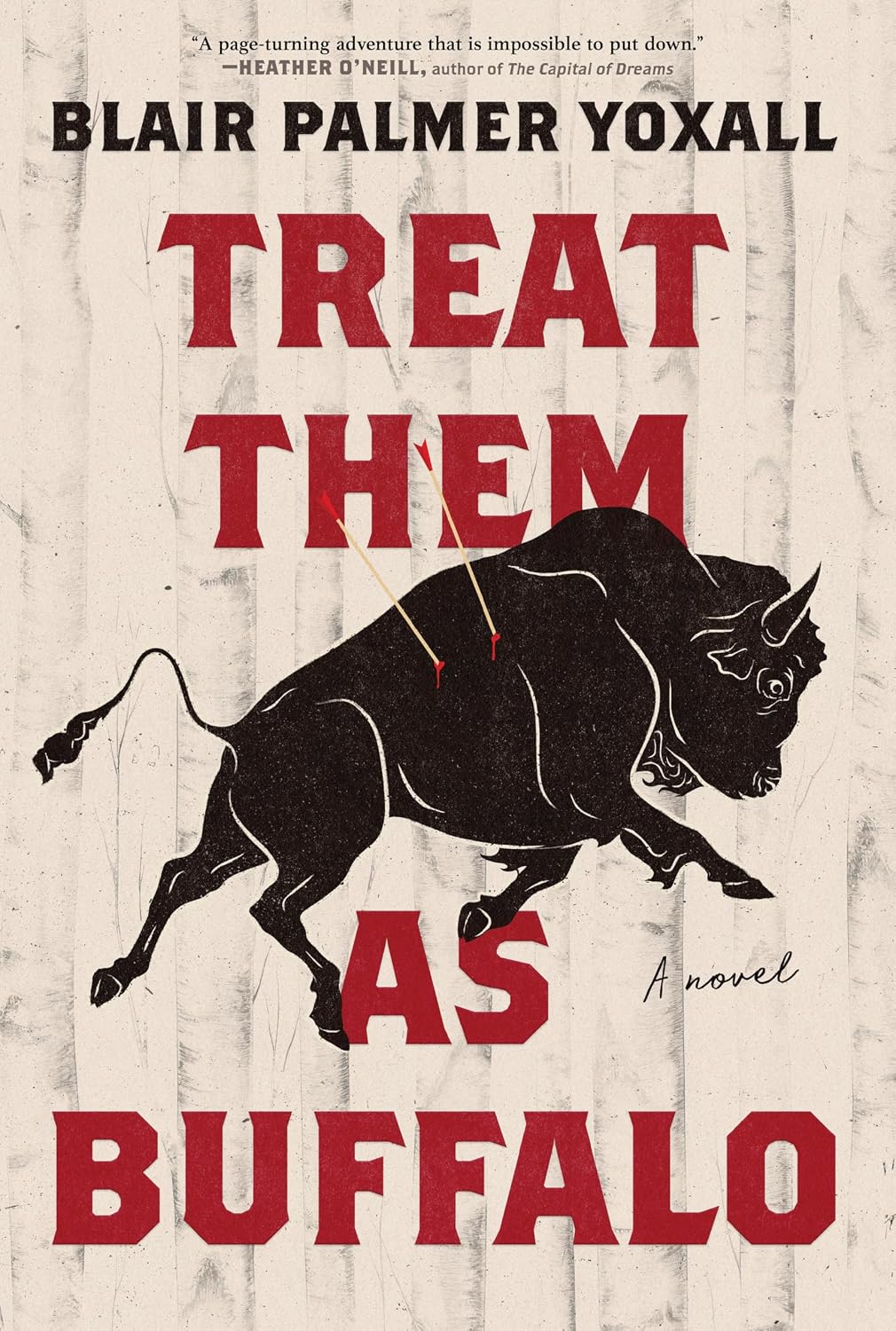
Blair Palmer Yoxall
Fiction
During a game of buffalo hunters, young Nikosis Eriksen’s cousin goes missing in broad daylight, leaving nothing but scuff marks in the muddy spring snow. It’s the first in a series of kidnappings of local Métis boys that sets the town of Lac-aux-Trois-Pistoles, Saskatchewan, on high alert. As the new detachment of North-West Mounted Police drag their feet, the women of the Eriksen-Desjarlais family, Niko’s Nimama, Auntie and Chapan, take on the desperate search for Cousin.
Gun-slinger Kate McCannon and her band of women and children have been living in a camp outside town while the family men have joined Louis Riel and Gabriel Dumont in the resistance. News of the victory at Duck Lake arrives in the camp as McCannon and the women join the search for the missing boys. When a missing boy is recovered alive yet badly wounded, the need to find Cousin becomes all the more pressing. It isn’t until Niko discovers the true identity of the man responsible for the kidnapping that he is forced to grapple with his own identity and his truth, and resolves to bring Cousin back from his captor’s clutches, no matter what it takes.
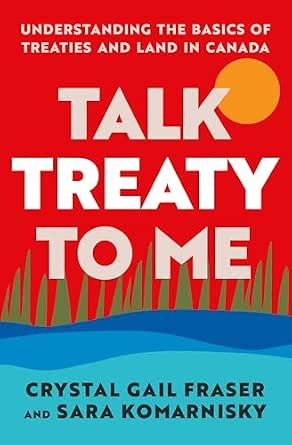
Crystal Gail Fraser & Sara Komarnisky
Nonfiction
Treaties cover much of Canada. Some were established thousands of years ago, with Land and animals, and others date back to the time when Europeans first arrived in North America. These agreements make it possible for all of us to live, work, play, and profit on these Lands. Additionally, treaties have profoundly shaped the relationship between Indigenous and non-Indigenous people. In Talk Treaty to Me, Crystal Gail Fraser and Sara Komarnisky untangle the complexities of treaties and set forth a path to a greater understanding of all our roles, rights, and responsibilities.
With a quick-reference timeline, maps, and black-and-white photographs throughout, Talk Treaty to Me concludes with a call to action and specific, tangible steps that all of us can take every day to support truth and reconciliation.
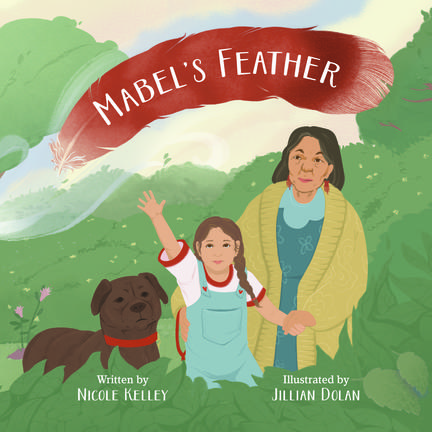
Nicole Kelley
Illustrated by Jillian Dolan
Children’s Literature
Mabel always brings her special feather with her, no matter where she goes. Mabel’s red feather is a comfort in her mother’s absence. It tickles her nose and makes her feel safe, just like her mom did.
One day, when Mabel is on a walk with Kookoom and their family dog, a gust of wind steals the feather from her pocket. Mabel and Kookoom go looking for the missing feather at a local festival—and find that, sometimes, healing can be found closest to home.
In the spirit of reconciliation, Mabel’s Feather encourages meaningful conversations and raises awareness for Missing and Murdered Indigenous Women, Girls, and Two-Spirit People.
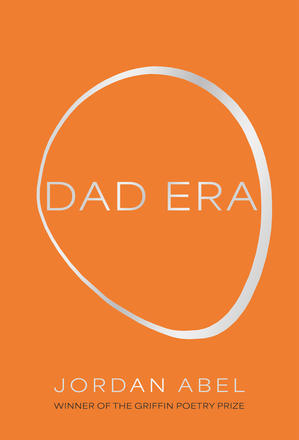
Jordan Abel
Poetry
This collection compels readers to ask what it means to share a heart with another human in a world on the precipice of destruction. Although Abel doesn’t have an answer and likely never will, he understands deeply that ‘the bond between a parent and child can sometimes be explained with words.’ Here – brilliant, hilarious, and loving – are those words.
Dad Era explores Jordan Abel’s role as a father to his daughter, Phoenix, and his relationship to popular and often toxic constructions of ‘fatherhood’ on the internet. Breaking apart the idiomatic registers that define parenting today using distortion, contrast, sequencing, and palimpsest, all qualities that have come to define his oeuvre, Abel explores what it means to live, laugh, and yes, father ‘in a world without dads.’
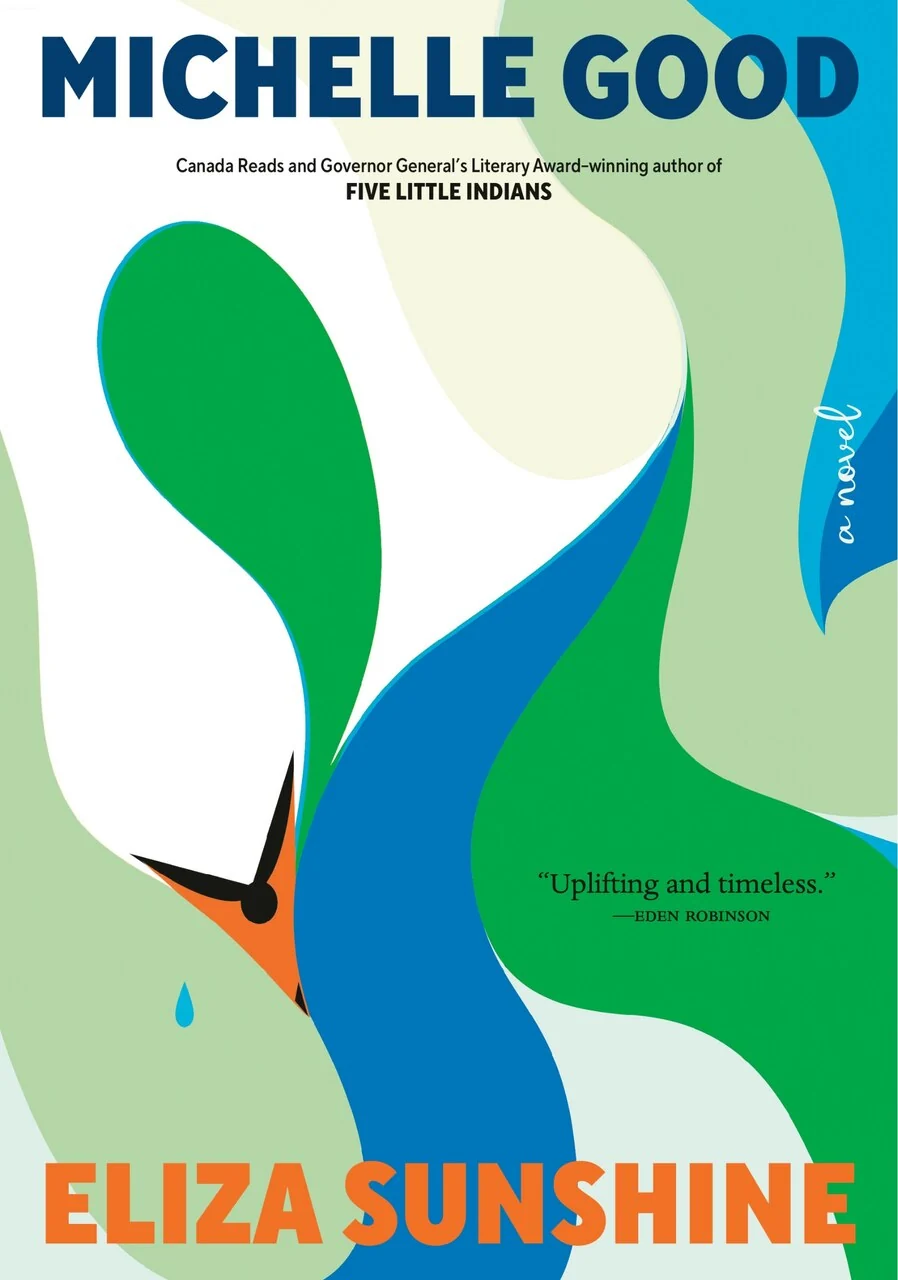
Michelle Good
Fiction
When Eliza comes home from her first year at residential school, she is barely recognizable to her Nôhkom, Swan. Once bright-eyed and curious, Eliza is now stick-thin with roughly shorn hair and dull, listless eyes. Gathering bag in hand, Swan gently leads Eliza on long walks through untouched prairie grasses, harvesting medicines, certain that the power of the land will heal her. And as they walk, she shares stories of her own suffering when her traditional ways of being and living collided with the greed and violence of encroaching settlers. For Eliza, Swan’s journey offers a master class in how to face unspeakable adversity and remain true to herself.
Decades later, Eliza and her daughter are at a crossroads.
But Ella’s idea of freedom isn’t the same as Eliza’s. And when tragedy strikes, Ella must decide how to build her life in the aftermath and navigate how best to keep the stories of her family alive when the world around her seems to want them buried along with the legions of the missing and the dead.
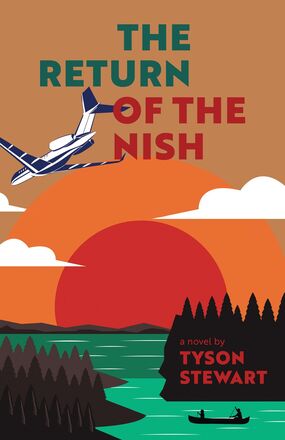
Tyson Stewart
Novel
Gerry Smith grew up fifty-five kilometres from Temagami, the hometown of his long-absent father, Dale King, but he didn’t know the once-legendary hockey player. Even after Gerry, as an adult, reconnects with the Anishinaabe relatives on his dad’s side of the family, Dale remains a mystery — a missing puzzle piece.
It’s not until Gerry’s in his late twenties, struggling with divorce and debts, raising a young son of his own, that Dale finally drops back into his life. In a sports bar in Toronto, Dale pitches a lucrative but illicit business venture, setting in motion an unlikely partnership that will test how far both father and son will go in the name of family. As Gerry tries to make sense of the man behind the myth, he soon realizes that all he thought he knew about his father — and about himself — is only a fraction of the whole story.
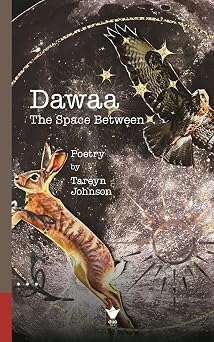
Tareyn Johnson
Poetry
Dawaa: The Space Between celebrates in poetry the tensions and beauty between the two ancestral languages of the author: Ojibwe and English.
As a First Nations woman, Tareyn Johnson grew up without knowing the language of her ancestors. Her grandparents attended residential school, and neither they, nor her mother carried the language. Left with a deep longing desire to embrace Anishnaabemowin (Ojibwe) language, she began her learning journey as an adult.
As her understanding grew, words began to form visually in her mind. As a result, twenty-six poems—two for each of the Thirteen Moons—grouped seasonally, beautifully juxtapose Ojibwe and English to express Johnson’s feeling of existing between two languages.
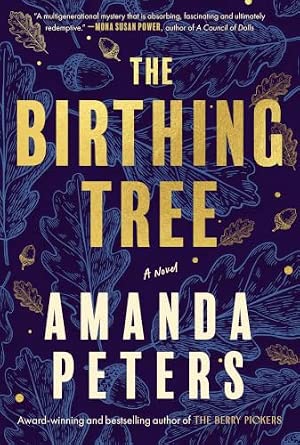
Amanda Peters
Novel
In 1955, Aliet Paul’s mother dies in childbirth beneath the birthing tree, a large old oak, where Indigenous women have been giving birth for longer than anyone can remember. Aliet’s grandmother, the local midwife, has assisted in the successful births of babies for decades. Yet on that fateful day, tragedy strikes, and it’s her own daughter, Maggie, who dies under her care.
Years later, Aliet returns to her childhood home to pursue a new start. As she fixes up the old house, she is confronted by memories of the people and events that shaped her young life and, ultimately, drove her away. She also realizes that, to truly start her life over again, she must finally come to terms with her grandmother’s long-held secret and the unresolved heartbreak and grief of her past.
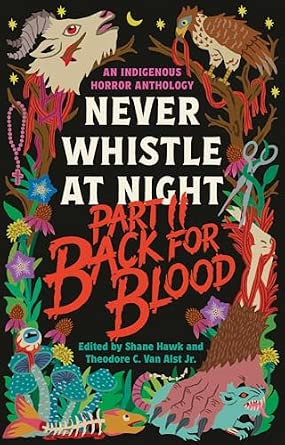
Edited by Shane Hawk and Theodore C. Van Alst Jr.
Fiction
As any savvy horror fan knows: the monster never truly dies. The team that brought you the bestselling dark fiction anthology Never Whistle at Night has risen, hungry, from the grave to summon more dark delicacies for your delectation. In these twenty-one brand-new, groundbreaking, gruesome stories—authored by both established and newly unearthed Indigenous talent and illustrated by renowned Cheyenne and Arapaho painter Brent Learned—the contributors are fully embracing horror: both supernatural horrors and the everyday horror of living under colonialist rule.
Featuring stories by:
Jessica Doe • P.C. Verrone • Theodore C. Van Alst Jr. • Jim Terry • Jessica Johns • A.J. Eversole • Sonia Marie Barry • Shane Hawk • Stephen Graham Jones • Alicia Elliott • Mat RudeWalker • Shaawan Francis Keahna • Billy-Ray Belcourt • Jake Arrowtop • Alina Pete • Debra Magpie Earling • Joshua Whitehead • Tommy Orange • Ramona Emerson • Erica Tremblay • Kimberly Blaeser
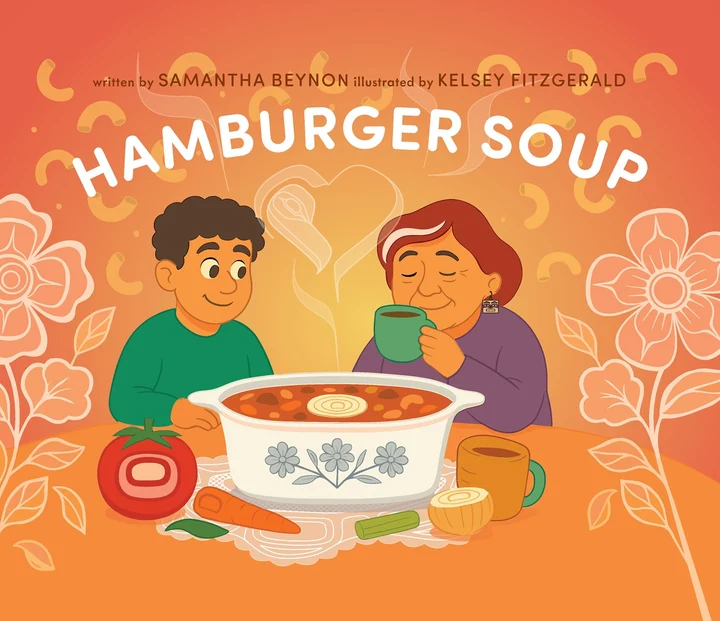
Samantha Beynon
Illustrated by Kelsey Fitzgerald
Children’s Literature
A young Nisg̱a’a boy, Simgan, learns to cook hamburger soup and fry bread with Grandmother on a crisp fall day. As they gather ingredients, chop vegetables and stir the pot, Grandmother remembers coastal fishing trips and community with friends—blending Nisg̲a’a vocabulary into her stories of food, family and tradition to create cultural memory and document everyday life.
Indigenous people have many differences from Nation to Nation, yet the hamburger soup recipes in these households are often very similar. This story celebrates shared traditions, the wisdom of Elders and the importance of giving back to the community.
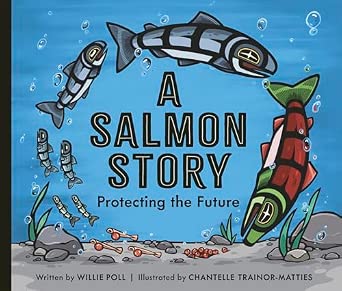
Willie Poll & Chantelle Trainor-Matties
Children’s Literature
Salmon are central to their ecosystem and the lives of many Indigenous Nations, but the rapid rise of harmful practices like open net-pen fish farming has threatened these longstanding connections. Salmon have followed the same migration routes for thousands of years, but the fish farming industry has had a deadly impact on their annual journey. Open-net pen farms release harmful waste into the ocean that is lethal to the wild salmon forced to swim through it. Now, the salmon must battle against the human-made destruction of their habitat, and many Nations are advocating for change and creating calls of action to protect salmon for future generations. As the young salmon journey from their gravel nests to the open ocean, readers learn about the life cycle of wild salmon, the effects of unsustainable fish farming, and the role of salmon as a keystone species.